Maintaining a lawn care schedule Texas involves applying pre-emergent weed control in early spring and fall, consistent mowing during the peak growing season, and deep irrigation to combat summer heat. Homeowners should also perform biannual soil tests and apply seasonal fertilization tailored to specific grass types like Bermuda or St. Augustine to ensure year round health.
Maintaining a lush, green lawn in Porter Heights often feels like a losing battle against the relentless Texas heat and unpredictable humidity. You might find yourself constantly reacting to brown patches or invasive weeds, only to realize that your timing was off by just a few weeks. In our region, professional lawn care is not just about aesthetics; it is about protecting your property investment against the extreme shifts of the Gulf Coast climate. At The Johnson's, we know that a thriving turf requires a proactive strategy tailored to our local soil and weather patterns. This guide provides a definitive seasonal roadmap for your property. We will cover everything from spring weed prevention and summer heat management to fall recovery and winter maintenance. By the end of this article, you will have a clear, practical plan to keep your yard healthy and resilient throughout the entire year.
Understanding the Porter Climate for Your Lawn Care Schedule Texas
Porter and Porter Heights sit firmly in USDA Hardiness Zone 9a. This specific location means our growing season starts earlier and ends later than what homeowners in North Texas experience. Following a generic state wide guide can lead to missed opportunities for weed control or premature fertilization that wastes money. Here on the edge of the Piney Woods, the combination of high humidity and unique soil profiles requires a localized lawn care schedule Texas residents can rely on to keep their property healthy.
Most local lawns consist of St. Augustine, Bermuda, or Zoysia. Each species reacts differently to the intense East Texas moisture. St. Augustine thrives in the humidity but remains prone to fungal issues, while Bermuda requires aggressive nutrient management during the peak heat. At The Johnson's handyman and lawn care, we operate right off Jerry Lane in Porter. We understand that reliable property maintenance involves more than just a quick mow. Our team provides comprehensive handyman and landscaping services tailored to the heavy clay soils and transition zone challenges unique to Montgomery County. Knowing exactly when the ground temperature shifts in our specific zip code is the secret to professional results. You can learn more about The Johnson's handyman and lawn care and our commitment to local expertise as we break down the requirements for each season.
Spring: Awakening and Weed Prevention (February through April)
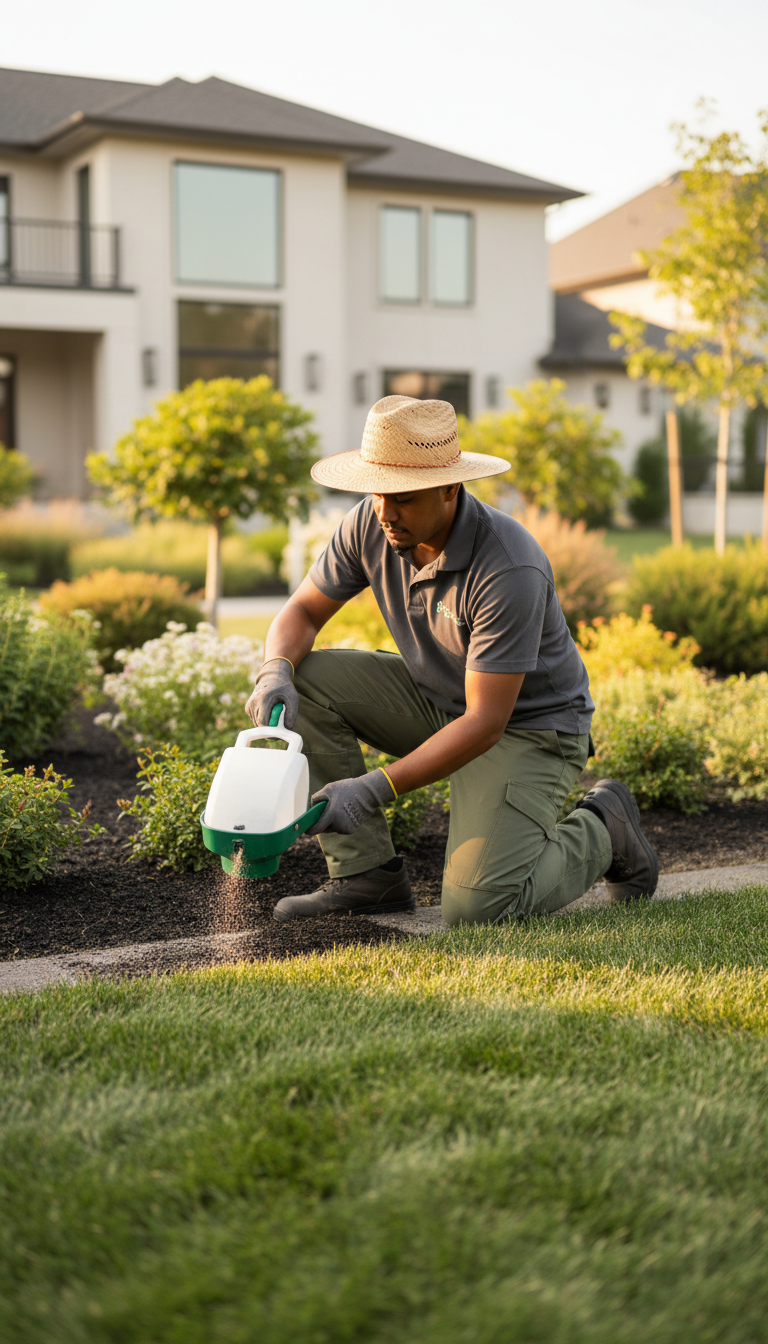
In Porter, the transition from winter dormancy to spring growth happens rapidly. The most critical step in your lawn care schedule Texas starts in late February or early March. This is when soil temperatures consistently hit 55 degrees for several consecutive days. Applying a pre-emergent herbicide during this narrow window prevents summer weeds like crabgrass and sandburs from ever germinating. If you wait until the weeds are visible, the seeds have already sprouted beneath the surface.
Before spreading any nutrients, I recommend conducting a soil test through the Texas A&M AgriLife Extension Service. Our East Texas soil varies significantly from one property to the next. A professional analysis determines your pH levels and specific nutrient deficiencies. This prevents the common mistake of over-applying phosphorus or nitrogen where it is not needed, which is both environmentally responsible and cost-effective for your property maintenance.
Once the threat of a hard freeze has passed in late March, perform the first scalp of the season. This involves lowering your mower deck to remove the top layer of dead, dormant winter grass. By bagging these clippings, you clear away brown leaf tissue that blocks sunlight and traps excess moisture. This process allows the sun to warm the soil directly and stimulates a faster green-up while preventing early season fungal growth, a common issue in our humid Montgomery County climate.
Fertilization needs depend heavily on your grass type. Bermuda is a heavy feeder that requires a consistent nitrogen approach to maintain its density and recover from winter. In contrast, St. Augustine is a moderate feeder. Pushing St. Augustine with too much nitrogen early in the year can lead to excessive thatch and increased pest pressure later in the summer. At The Johnson's handyman and lawn care, we provide reliable property maintenance that respects these biological differences. Proper timing during these three months sets the foundation for how well your lawn survives the coming July heat.
Summer: Heat Management and Mowing Discipline (May through August)
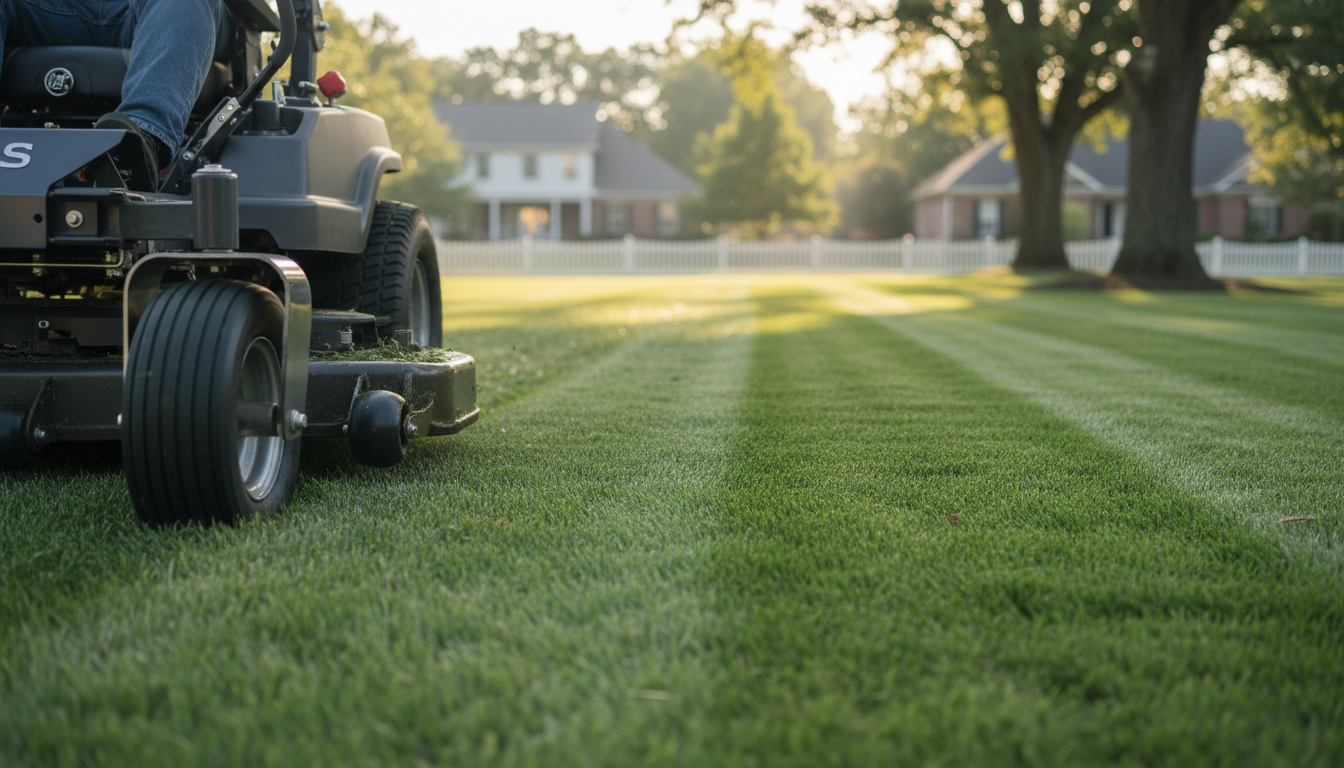
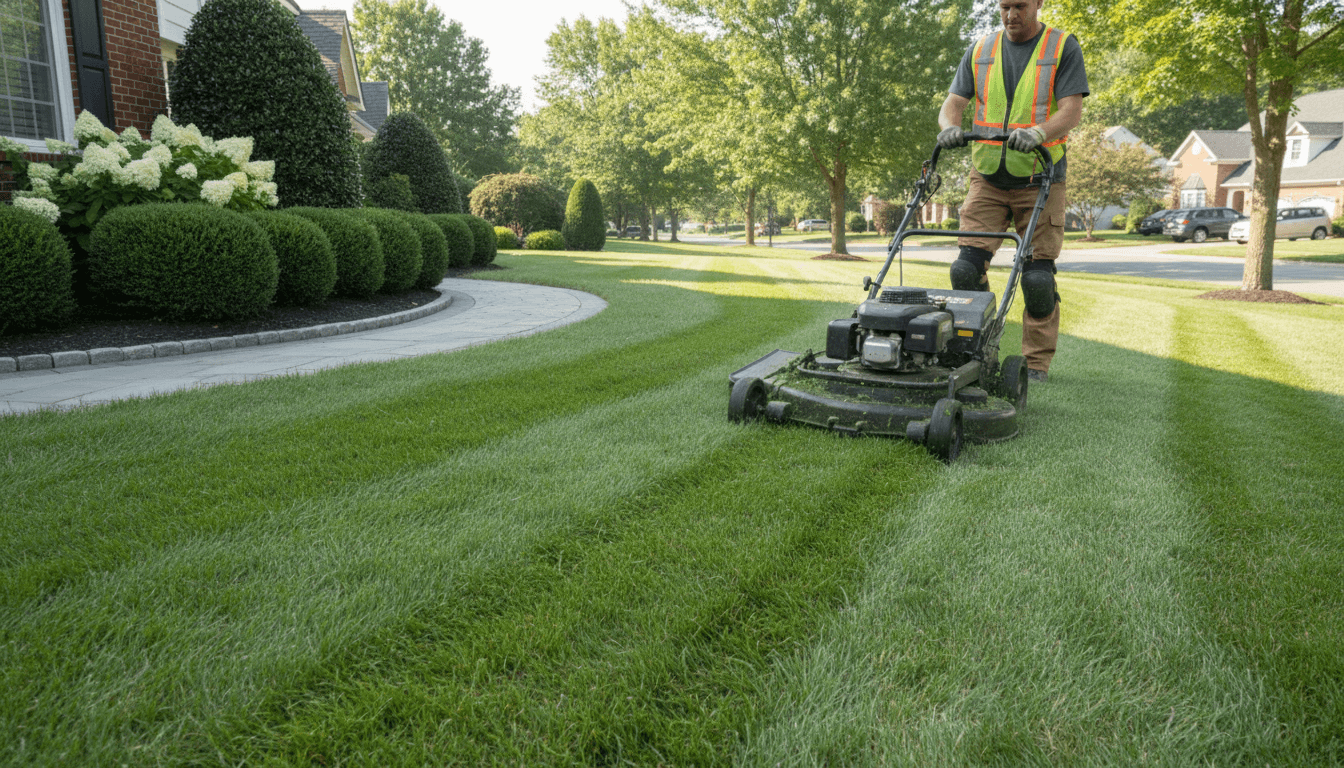
By May, the heat in Porter and Porter Heights begins to intensify, shifting the focus of your lawn care schedule Texas from growth to survival. The goal during these grueling months is to minimize plant stress. The most effective way to do this is by strictly adhering to the one-third rule. You should never remove more than one-third of the grass blade in a single mowing session. If you let the grass get too tall, resist the urge to cut it back to your target height all at once. Cutting too deep shocks the plant and forces it to divert energy from root development to leaf repair, leaving it vulnerable to the August sun.
Mowing height also plays a role in soil temperature. For Bermuda grass, maintaining a height of 1.5 to 2 inches is ideal, but for St. Augustine, you should raise the deck to 3.5 or 4 inches. Taller grass shades the soil, reduces evaporation, and protects the root system from the radiating heat of nearby sidewalks and driveways.
Watering is the other pillar of summer maintenance, but many homeowners rely on faulty metrics. A frequent question we hear is, "Is 30 minutes of watering grass enough?" In reality, 30 minutes means very little because water pressure and sprinkler head efficiency vary significantly from house to house. Your lawn requires roughly one inch of water per week. To measure this accurately, place several empty tuna cans around your lawn and run your sprinklers. Time how long it takes for the cans to fill with one inch of water. That specific duration is your target for the week. It is better to apply that inch in one or two deep soakings early in the morning rather than light daily misting, which encourages shallow, weak roots.
Finally, be vigilant regarding local pests. St. Augustine lawns in our humid climate are prone to chinch bugs, which often appear as yellowing patches in the hottest, driest parts of the yard. Conversely, Bermuda lawns can be decimated by armyworms that move through the grass with startling speed. Professional reliable property maintenance includes scouting for these pests regularly. Our team at The Johnson's handyman and lawn care provides comprehensive handyman and landscaping services that help identify these threats before they cause permanent damage to your property's curb appeal.
Fall: Recovery and Strengthening (September through November)

As temperatures finally begin to moderate in September, your lawn care schedule Texas priorities shift from surviving the heat to strengthening the root system for winter. While the visible growth of St. Augustine and Bermuda slows down, the roots remain active, storing energy for the coming months. This is the optimal time to address the clay-heavy soils found throughout Porter and Porter Heights. Over the summer, our East Texas clay often becomes compacted, which restricts oxygen and water flow. Core aeration is the most effective solution for this; it pulls small plugs of soil from the ground, allowing the roots to breathe and expanding the space for nutrient absorption before dormancy sets in.
A second round of pre-emergent herbicide is necessary in late September or early October. This application targets winter annuals like Poa annua (annual bluegrass), henbit, and chickweed, which germinate as soil temperatures drop below 70 degrees. Stopping these weeds now prevents a messy, green-spotted lawn in January when your turf is brown and dormant.
Be cautious with fertilization during these months. As the grass prepares for dormancy, you must significantly lower the nitrogen content in your fertilizer. Applying high-nitrogen products in our humid autumn environment can trigger Large Patch fungus, also known as brown patch. This fungal disease thrives when nighttime temperatures are cool and moisture is high, creating unsightly circular patches in St. Augustine lawns. The Johnson's handyman and lawn care provides reliable property maintenance that includes these site-specific adjustments. By focusing on potassium-rich "winterizer" blends instead of heavy nitrogen, we ensure your turf is hardy without inviting disease. Our comprehensive handyman and landscaping services are designed to help your property recover from summer stress and build the resilience needed for the winter months ahead.
Winter: Maintenance and Dormancy (December and January)
During December and January, your lawn enters a period of dormancy where visible growth stops. This stage is a critical part of the lawn care schedule Texas homeowners must respect to ensure a healthy spring green-up. While the turf looks brown, the roots are still alive, but they do not require supplemental irrigation. In Porter's humid climate, overwatering dormant grass is one of the quickest ways to trigger root rot or fungal pathogens. Unless our region faces a prolonged winter drought, you should turn off your automatic irrigation systems entirely.
This downtime provides the perfect window for equipment maintenance. We recommend sharpening your mower blades now. Dull blades tear the grass tissue rather than cutting it cleanly, which invites disease once the growing season begins. It is also the best time for oil changes and spark plug replacements to ensure your machinery is ready for the February scalp.
Proper debris management is equally important. When heavy layers of fallen leaves or pine needles are left to sit, they suffocate the grass underneath and trap excessive moisture against the soil. At The Johnson's handyman and lawn care, we provide reliable property maintenance that includes thorough leaf removal. Our comprehensive handyman and landscaping services ensure that your property remains clean and your dormant turf stays healthy throughout the coldest months on Jerry Lane.
Answers to Your Common Texas Lawn Care Questions
Waiting two weeks to mow during the peak growing season is generally too long for Porter lawns. St. Augustine and Bermuda can grow several inches in fourteen days when the humidity and heat are high. Removing more than one-third of the blade at once violates the fundamental one-third rule, which stresses the plant and forces it to focus on leaf recovery instead of root health. For reliable property maintenance, aim to mow every five to seven days during the summer to maintain turf density.
Porter's high humidity also dictates your daily timing. You should avoid mowing at dawn when the grass is saturated with heavy dew; wet clippings clump and can spread fungal pathogens. The ideal window is mid-morning, typically between 9:00 AM and 11:00 AM. This allows the sun to dry the blades while avoiding the extreme midday temperatures that cause the grass to wilt under the stress of a fresh cut.
Follow this high-level lawn care schedule Texas summary for consistent results on your property:
February to March: Conduct soil testing, apply pre-emergent, and perform the initial seasonal scalp.
April to May: Start fertilization and increase mowing frequency to keep up with spring growth.
June to August: Focus on deep irrigation (one inch weekly) and monitor for chinch bugs.
September to October: Core aeration and fall pre-emergent application for winter weed control.
November to January: Leaf clearing, debris removal, and mower blade sharpening.
Our team at The Johnson's handyman and lawn care provides comprehensive handyman and landscaping services to help you manage these tasks precisely when they are needed most.
Maintaining a healthy lawn in Porter Heights requires consistency and timing throughout the year. By following this seasonal guide, you can ensure your grass stays green and resilient against the Texas heat. While DIY care is rewarding, keeping up with every task can become a significant time commitment. If you want expert help to manage these seasonal requirements, we invite you to explore our Services. Our team is here to handle the hard work so you can simply enjoy a beautiful outdoor space.