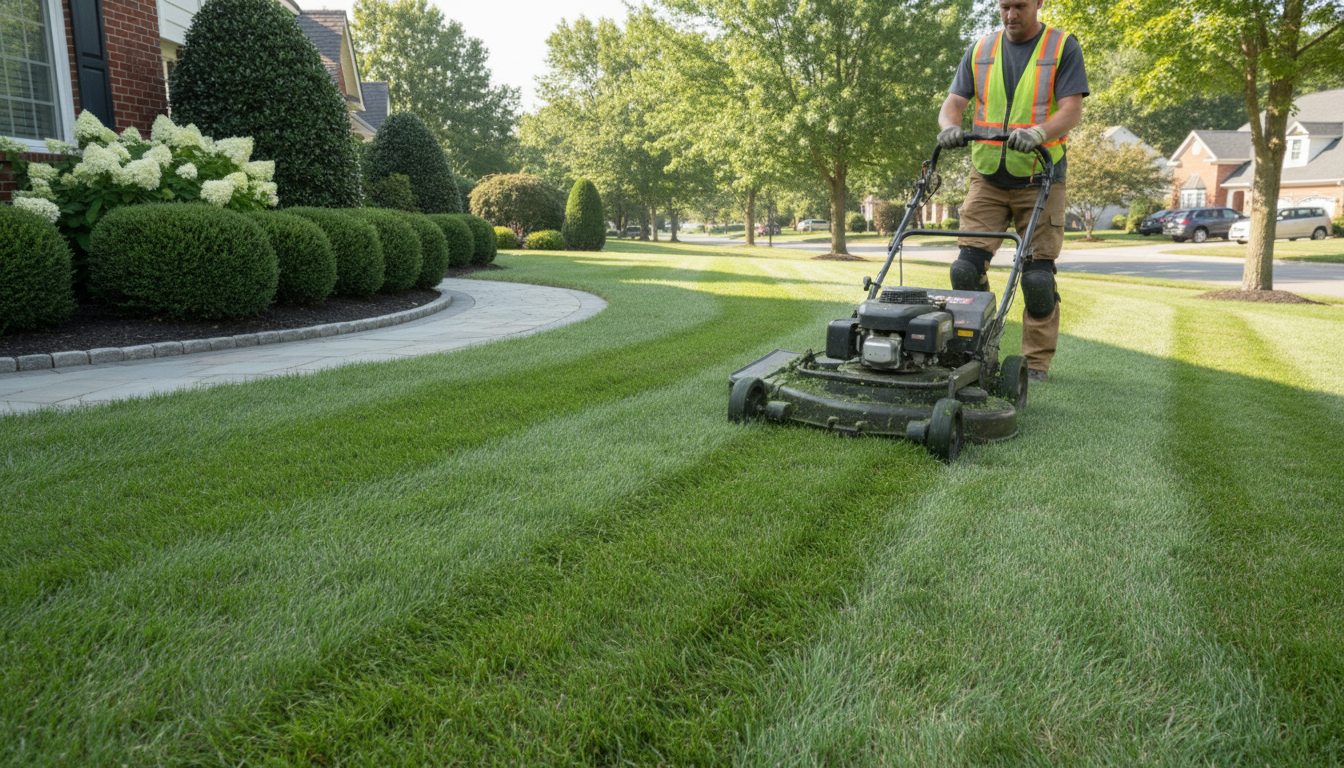
Texas property owners should mow their lawns every five to seven days during the peak spring and summer growing seasons to ensure optimal grass health. Understanding how often to mow lawn Texas requires balancing rainfall and grass type, but a consistent weekly schedule typically prevents thatch buildup and heat stress. During the slower winter months, this frequency can safely be reduced to once every two to four weeks.
Maintaining a lush lawn in Porter Heights often feels like a constant battle against Southeast Texas humidity and rapid growth. Many property owners find themselves trapped in a cycle of mowing too frequently or waiting until the grass is unmanageable; this imbalance often leads to thinning patches and severe heat stress. Striking the right frequency is essential for deep root health and professional curb appeal. In this guide, we will explore the essential One-Third Principle and how it applies to local favorites like St. Augustine and Bermuda grass. We will also outline a seasonal mowing schedule tailored to our specific climate, explain how rainfall impacts your timing, and share expert tips on height adjustments to survive the summer heat. By the end, you will have a clear blueprint for keeping your Texas turf resilient through every season.
The Golden Rule: Understanding the One Third Principle
Maintaining a healthy yard in Montgomery County starts with a biological concept known as the One Third Principle. This rule is straightforward; you should never remove more than one third of the grass blade height during a single mowing session. While it might be tempting to cut the grass as short as possible to extend the time between chores, doing so ignores the fundamental biology of your lawn.
The grass blade is the primary site for photosynthesis. When you cut off more than a third, the plant loses its ability to produce food efficiently. This sudden loss forces the grass to divert energy away from the root system to repair the damaged foliage. In the intense heat of East Texas, a compromised root system is a recipe for disaster. Shallow roots cannot access the moisture buried deep in our soil, leaving the lawn vulnerable to heat stress and long-term damage.
Many homeowners in Porter Heights fall into the trap of scalping their lawn to save time. This practice exposes the soil surface directly to the sun, which facilitates rapid weed invasion. Sunlight hitting the ground level triggers dormant weed seeds to germinate and compete with your grass for limited nutrients. Furthermore, scalping often leads to unsightly brown spots where the mower has cut into the stem or the crown of the plant. At The Johnson's Handyman and Lawn Care, we provide comprehensive handyman and landscaping services that prioritize the health of your turf. Understanding how often to mow lawn Texas properties depends largely on following this principle to ensure reliable property maintenance and a resilient, green yard that can withstand the Porter summer.
Grass Type Matters: St. Augustine vs. Bermuda in Porter Heights

Identifying the specific species of grass in your yard is the next step in applying the One Third Principle effectively. In Porter Heights, most residential properties feature either St. Augustine or Bermuda grass, and these two varieties require vastly different maintenance approaches. Choosing the wrong height for your specific grass type can lead to a thinning lawn or increased vulnerability to local pests.
St. Augustine is arguably the most popular choice for East Texas homes due to its broad blades and moderate shade tolerance. To maintain its health, St. Augustine should be kept relatively tall, with a recommended mowing height of 3 to 4 inches. This height allows the grass to develop a deep root system and provides enough shade to the soil to prevent weed germination. During the peak growing season, plan to mow every 5 to 7 days. If you miss a window and the grass grows significantly taller, you may need to raise the mower deck for one pass and then lower it a few days later to reach the target height without shocking the plant.
Bermuda grass presents a different set of requirements. It is a fine-textured, sun-loving grass that thrives when kept shorter, generally between 1.5 and 2.5 inches. Because Bermuda grows aggressively through underground rhizomes and surface runners, it can quickly become unmanageable. To adhere to the one third rule and keep the lawn looking manicured, you will often need to mow twice a week during the rainy spring and early summer months.
In newer Porter developments, Zoysia is becoming a frequent mid-range alternative. It offers a dense, carpet-like feel and typically performs best when maintained at a height of 2 to 3 inches. Determining how often to mow lawn Texas properties depends on these biological growth rates. For residents who prefer professional oversight, The Johnson's provides comprehensive handyman and landscaping services to ensure your specific turf variety receives the precision care it requires.
Seasonal Mowing Schedules for Southeast Texas

The timing of your cuts must adapt to the specific growing seasons of Southeast Texas. In Montgomery County, the calendar year dictates the biological pace of your turf, requiring a flexible approach to reliable property maintenance rather than a rigid, year-round weekly schedule.
During the spring, specifically from March through May, growth explodes as soil temperatures rise and rainfall increases. This is the most demanding time for Porter property owners. You should plan to mow every 5 to 7 days. If you delay your service during this window, the grass can quickly exceed the height where the one third rule can be easily applied, leading to a messy, uneven cut that stresses the root system. Fast growth during these months is a sign of a healthy lawn, but it requires diligent attention to stay ahead of the blade.
As we transition into the peak summer months of June through August, the extreme heat shifts the dynamics. For non-irrigated lawns, the grass may enter a state of semi-dormancy to conserve moisture, which significantly slows vertical growth. In these cases, you might safely extend the interval between mows to every 10 days to avoid over-stressing the heat-taxed plants. However, if you utilize a sprinkler system to keep the lawn green and active, the growth will remain steady, necessitating a consistent 7-day rotation. Determining how often to mow lawn Texas yards during a heatwave is about observing the grass color and moisture levels rather than just following a calendar.
Fall, spanning September to November, brings a gradual slowdown. As the days shorten and night temperatures drop, the metabolic rate of the grass decreases. You can slowly transition from weekly cuts to every 10 or 14 days by late October, depending on how late the warmth lingers in Porter Heights.
Finally, the winter months from December to February bring dormancy to St. Augustine and Bermuda. While the grass stops growing upward, a tidy up mow every 3 to 4 weeks is still necessary. This practice manages winter weeds like clover or henbit that thrive in cooler weather and clears fallen debris from local oak and pine trees. Residents looking for professional help with these seasonal transitions can rely on our comprehensive handyman and landscaping services to keep their grounds managed year-round.
How Rainfall and Irrigation Change Your Mowing Frequency
Environmental factors in Montgomery County often override the calendar. In Porter, we frequently experience heavy rain cycles that supercharge grass growth. During these active periods, sticking to a weekly schedule might cause you to violate the one third rule. You may find that your lawn requires a trim every 4 days to keep up with the rapid expansion. If your property uses an automated irrigation system, this growth remains constant even during brief dry spells, necessitating a disciplined routine to prevent the turf from becoming overgrown and difficult to manage.
However, timing your cut around the weather is vital. You must never mow when the grass is soaking wet or the soil is saturated. Mowing wet turf leads to uneven cuts because the blades clump together and bend rather than standing upright. Even more concerning is the risk of soil compaction. The heavy weight of a mower on soft, wet Porter soil squeezes out oxygen, which stunts root development and creates ruts. Furthermore, wet clippings left on the lawn invite fungal diseases like Large Patch or Gray Leaf Spot, which thrive in our humid climate. For homeowners who struggle to time their maintenance between Gulf storms, our comprehensive handyman and landscaping services offer the flexibility needed for reliable property maintenance. Knowing how often to mow lawn Texas properties requires a watchful eye on the local forecast and a willingness to adjust for the safety of the soil.
Height Adjustments for the Texas Heat
In Porter Heights, surviving the triple digit heat of July and August requires a strategic shift in your maintenance routine. While your instinct might be to stick to your spring height settings, raising your mower deck is one of the most effective ways to protect your turf from thermal stress. Taller grass blades act as a natural canopy for the soil surface. This shade significantly reduces the rate of evaporation, allowing the ground to retain moisture much longer after a rain or an irrigation cycle.
By maintaining more leaf surface, the grass can better regulate its internal temperature. When the mercury hits 90 degrees or higher, shaded soil remains several degrees cooler than exposed dirt. This temperature difference is vital for protecting the root zone from the intense Texas sun, preventing delicate root hairs from scorching in the dense clay common to our area. We recommend raising your mower deck by at least half an inch during the peak summer months. For a St. Augustine lawn usually kept at 3.5 inches, moving to 4 inches provides a critical layer of defense.
This adjustment is a core component of reliable property maintenance in Montgomery County. Adjusting the height also influences how often to mow lawn Texas yards; the extra height provides a safety buffer during periods of slow growth. Our comprehensive handyman and landscaping services focus on these micro-adjustments to ensure your yard remains resilient throughout the harshest months of the year.
Maintenance Tips Beyond the Mower Blade
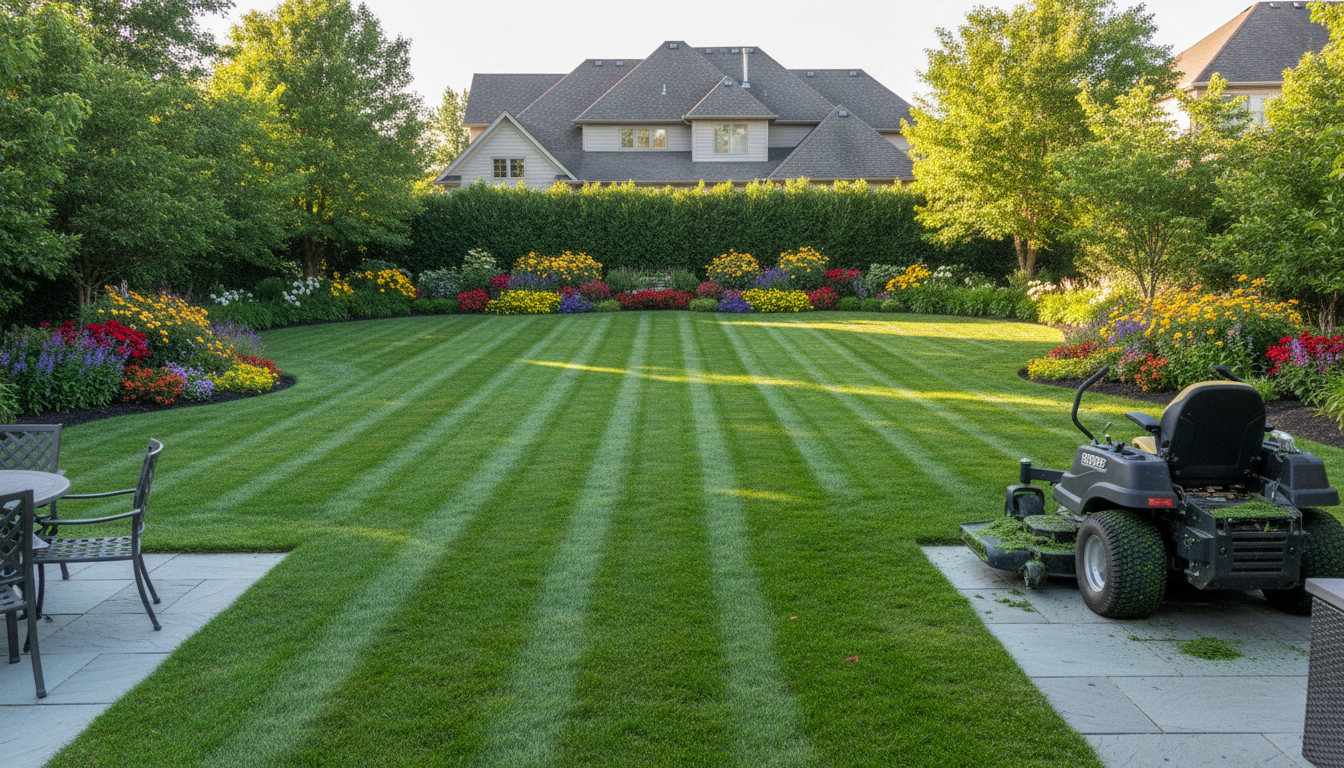
Quality lawn care involves more than just setting the deck height. At The Johnson's Handyman and Lawn Care, we emphasize the technical condition of the mower itself. A sharp blade is non-negotiable. When a blade is dull, it hacks and shreds the grass tissue rather than providing a clean, surgical cut. This tearing leaves the tips of the grass blades looking white or brown a day after mowing, making the lawn look dehydrated even if it has plenty of water. Furthermore, these jagged edges are entry points for the fungal pathogens common in Porter Heights.
You should also vary your mowing pattern each week. Mowing in the same direction every time creates permanent ruts in the soft East Texas soil and trains the grass to lean, making it harder to get a clean cut. Changing your path from vertical to horizontal or diagonal ensures an upright growth habit. While knowing how often to mow lawn Texas properties is essential for growth, maintaining your equipment and varying your technique ensures reliable property maintenance. Our comprehensive handyman and landscaping services include these professional details to keep your grounds in peak condition.