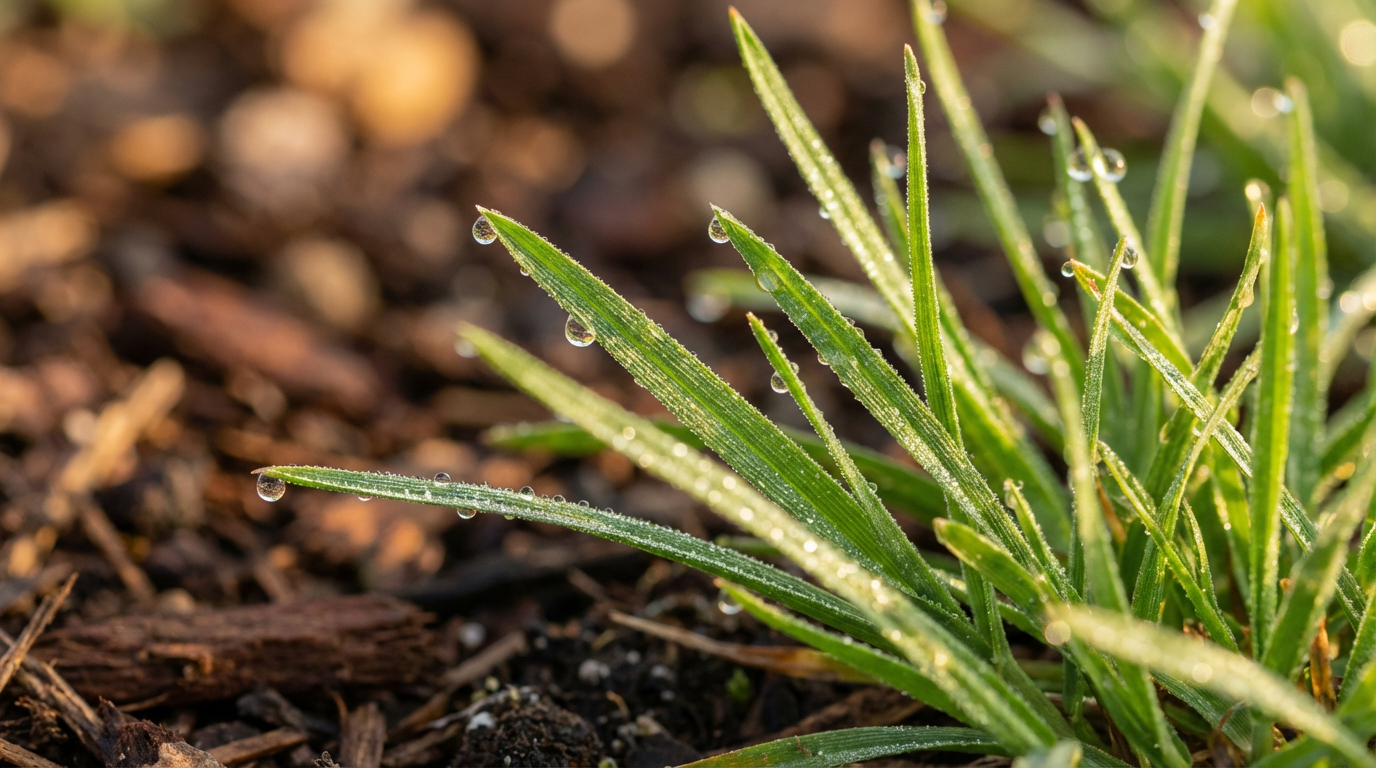
Effective winter lawn care Texas involves allowing warm-season grasses to enter dormancy naturally by reducing irrigation and pausing fertilization after the final autumn application. Homeowners should focus on maintaining a leaf-free yard and preparing for occasional freezes, as grass typically remains dormant from November through February.
Most homeowners in Porter feel a sense of dread when their lush green turf begins to turn brown and brittle as the first cold front arrives. It is easy to mistake this natural dormancy for a dying lawn, but neglect during these months can lead to real damage that lingers well into the spring. Proper winter care is not just about aesthetics; it is about protecting the root system and ensuring your soil is ready for the upcoming growing season. In this guide, we will explore the essential steps for maintaining your Southeast Texas property through the cooler months. You will learn about strategic watering schedules, proper leaf management, and how to safeguard your grass against hard freezes. We will also clarify the truth about winterizer fertilizers and provide professional tips to keep your Porter Heights lawn resilient until the heat returns.
Understanding the Texas Winter Lawn: Dormancy vs. Death
In Porter Heights, the first sign of cooler weather is often the shifting color of local yards. As temperatures dip, common warm-season grasses like St. Augustine, Bermuda, and Zoysia transition from vibrant green to a dull tan or brown. It is vital to understand that this change represents dormancy, not death. This is a natural hibernation designed to protect the plant root system from the elements.
The biological clock of a Texas lawn is driven by soil temperature. When ground temperatures drop into the 60s, these grasses begin to shut down to conserve energy. Active growth requires consistent ground temperatures in the 70s, which typically do not return until spring. Unlike northern properties that spend months buried under a thick blanket of snow, our lawns remain visible throughout the season. This visibility often causes homeowner anxiety.
You might be tempted to apply heavy water or nitrogen fertilizer when you see brown blades, but this is a mistake. Adding nutrients or excess water now is counterproductive because the grass cannot absorb them while its metabolism is stalled. Relying on professional lawn care services ensures you do not inadvertently stress the turf during this delicate phase of winter lawn care Texas residents must manage.
When to Winterize Your Lawn in Texas for Maximum Protection
Successful winter lawn care Texas homeowners implement starts with precise timing. In Porter Heights, the ideal window for the initial winterization phase falls between mid October and mid November. This four week period is critical because it bridges the gap between the heat of late summer and the first true cold snaps.
Because Southeast Texas experiences significantly milder winters than North Texas, our lawns behave differently. While a yard in Dallas might be completely dormant by early November, our St. Augustine often stays green well into the season. This extended green period can be deceptive. Even if the blades look active, the plant is still shifting its internal focus toward root preservation. Use this mid autumn window for preparatory tasks such as final leaf cleanup and soil conditioning before the grass fully enters its metabolic slowdown.
Distinguishing between this early preparation and the maintenance phase that follows is key. Prep work is about strengthening the turf for the coming cold, whereas the maintenance phase, which begins in late November, focuses on moisture management and freeze protection. Managing this transition correctly sets the stage for a healthy spring, and many residents rely on professional lawn care services to ensure the timing of these seasonal adjustments is handled before the first frost hits the ground.
The Strategic Winter Watering Schedule: Why Less is More
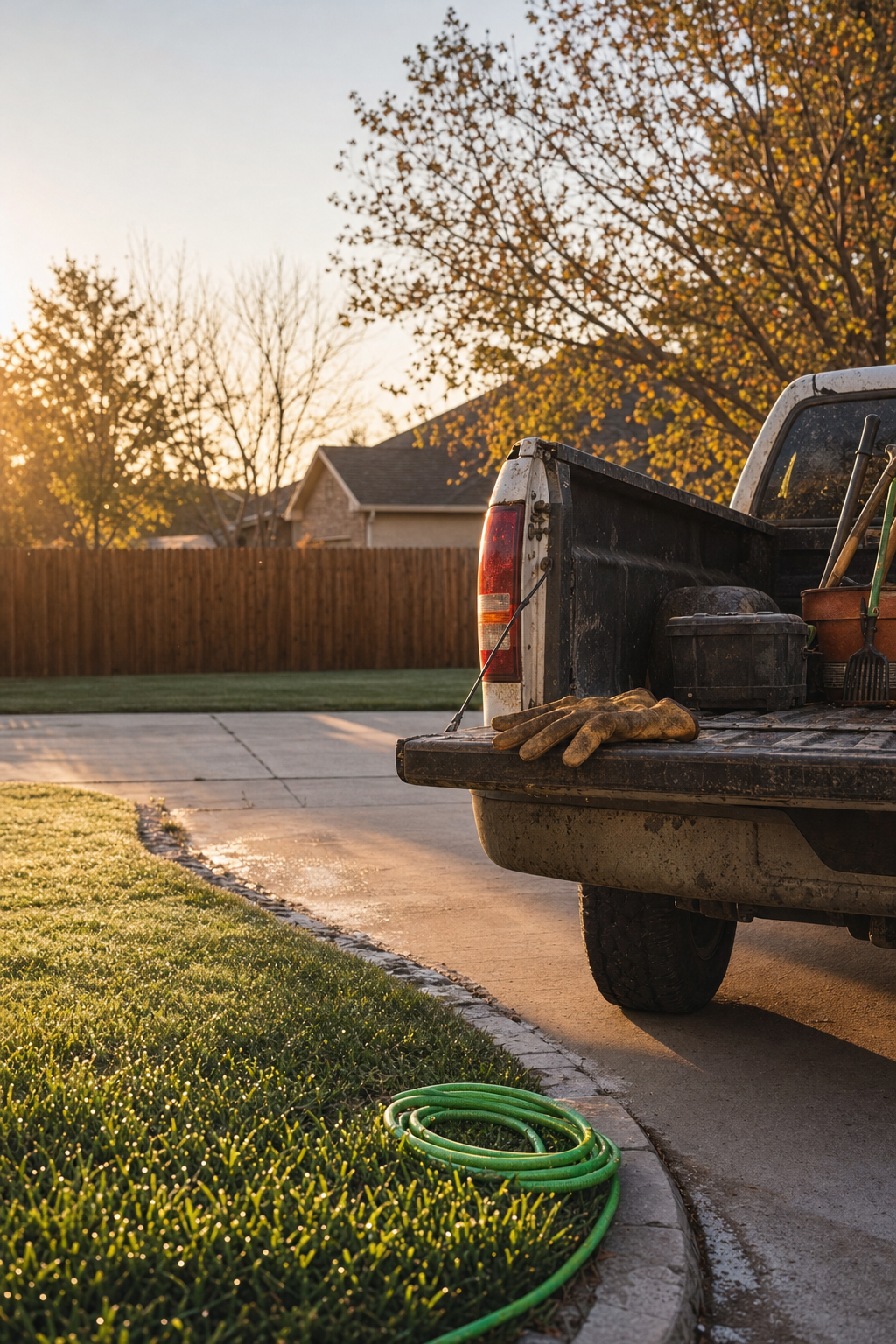
Once the clock hits November, the most effective tool in your winter maintenance kit is the off switch on your irrigation controller. Houston Public Works recommends turning off automated sprinkler systems from November 1st through February 28th. In the humid climate of Porter Heights, the risk of overwatering during these months far outweighs the risk of dehydration. When grass is dormant, its water requirements drop significantly; providing more than it can process creates a damp environment where fungal pathogens thrive.
Large Patch, formerly known as Brown Patch, is the most common consequence of poor winter irrigation. This fungus appears as circular, yellowing patches that can quickly spread across a St. Augustine lawn. Because the grass is not actively growing, it cannot recover from fungal damage until spring, leaving your yard unsightly for months. Excessive moisture also suffocates the root zone, leading to root rot that weakens the turf foundation during its most vulnerable state.
Rather than relying on a set schedule, switch to manual watering based on specific local conditions. If we experience a prolonged dry spell with no rain for three or more weeks, a deep, singular watering session is sufficient. It is also wise to water your lawn roughly 24 hours before a predicted hard freeze. Moist soil acts as an insulator, holding more heat than dry soil and protecting the delicate root system from sub-surface ice crystals. For homeowners who prefer a hands off approach, landscaping and property maintenance experts can monitor these moisture levels and provide targeted hydration only when necessary. This strategic approach ensures your lawn remains healthy without inviting the diseases that commonly plague Southeast Texas winters.
Mowing Heights and Leaf Management for Porter Properties
As growth slows, your mowing strategy must shift to accommodate the changing needs of the turf. For the final cuts of the season in Porter Heights, adjust your mower height to between 2 and 2.5 inches. Leaving the grass slightly taller than your summer setting is a deliberate protective measure; the extra length provides essential insulation for the crown of the plant. This crown is the critical point where the blades meet the roots, and keeping it shielded from direct frost exposure helps ensure the plant survives sudden temperature drops. Avoid the common mistake of scalping the lawn before winter, as shorter grass leaves the soil and root systems vulnerable to the elements.
Leaf management is equally vital, particularly for properties in the heavily wooded areas of Porter. A thick accumulation of oak leaves or pine needles creates a dense mat that smothers the grass and blocks necessary sunlight. This layer also traps excessive moisture against the ground, which can invite pests and encourage the development of fungal rot. Instead of simply bagging and disposing of this organic matter, consider mulching the leaves directly into the lawn with a mulching mower. This process breaks the leaves down into tiny fragments that decompose quickly, returning valuable nutrients to the soil. If the debris becomes too overwhelming for a standard mower, our landscaping and property maintenance experts can provide a more thorough cleanup to keep your lawn from suffocating. This proactive approach to winter lawn care Texas residents need ensures that the turf remains healthy and unobstructed throughout its dormant cycle.
Winterizer Fertilizer: Is It Necessary for Southeast Texas Lawns?
In the world of winter lawn care Texas homeowners often encounter conflicting advice regarding "winterizer" fertilizers. In Porter Heights, the primary goal of late season feeding is not to force green growth, but to bolster the plant's internal defenses. This is where potassium plays a central role. High potassium fertilizers help build cell wall strength and improve cold tolerance; they act as a safeguard for the root system during the sporadic hard freezes common in Montgomery County.
Avoid fertilizers with high nitrogen content during the winter months. Because St. Augustine and Bermuda grasses are dormant, they lack the metabolic activity to uptake nitrogen. Applying it now is counterproductive. Instead of nourishing your yard, the excess nitrogen remains on the surface until it washes away during heavy winter rains, eventually contributing to nutrient runoff in local Porter watersheds. This differs significantly from the requirements in North Texas, where the transition to dormancy happens much earlier and more abruptly.
Before applying any chemistry to your property, a professional soil test is the most practical first step. This data prevents over-application and ensures you are only adding what the ground actually lacks. If you are uncertain about reading soil reports or selecting the correct ratios, seeking landscaping and property maintenance assistance can prevent costly mistakes. Relying on professional lawn care services ensures that your winterization strategy is based on local soil science rather than generic retail marketing.
How to Prepare for a Hard Freeze in Porter Heights
When a hard freeze is forecasted for Montgomery County, your focus must shift from general maintenance to immediate property protection. This is where professional handyman services in Porter Heights become essential for safeguarding your home’s infrastructure alongside your lawn. Start by disconnecting all garden hoses, draining the internal water, and storing them to prevent ice expansion from splitting the rubber. Wrap every outdoor spigot with insulated foam covers or heavy cloth secured with waterproof tape. You must also insulate the irrigation backflow preventer; this exposed component is highly susceptible to costly pressure cracks during a deep freeze.
On the horticultural side, hydration is your most effective tool for survival. Providing a deep soak roughly 24 hours before the freeze hits is a critical component of winter lawn care Texas residents should prioritize. Moist soil acts as a thermal mass, retaining significantly more heat than dry earth. This moisture creates a protective buffer around the root system, preventing subsurface ice from damaging the plant's delicate cellular structure and ensuring the crown remains insulated against the coldest temperatures.
Looking Ahead: Weed Control and Spring Preparation
While the grass is dormant, winter weeds like clover and poa annua are often actively germinating beneath the soil. To prevent these from taking over your yard in the spring, the application of a pre-emergent herbicide like Barricade is essential. In Porter, the timing window for this application is narrow, typically peaking in mid to late February. This treatment forms a chemical barrier that stops weed seeds from maturing; it is far more effective than trying to kill established weeds once they are visible.
Winter is also the strategic season for property improvements. Because the turf is sleeping, our landscaping and property maintenance team can access areas of your yard without the risk of damaging lush summer growth. It is the ideal time to schedule handyman services in Porter Heights for fence repairs, gate adjustments, or intensive debris removal. Taking care of these structural tasks now ensures your property is pristine and ready for new plantings when the ground temperatures hit the 70s. Comprehensive winter lawn care Texas homeowners rely on involves this forward-thinking approach to both biology and infrastructure.
Common Winter Lawn Care Mistakes Texas Homeowners Make
Homeowners often fall into traps that compromise their spring growth. Avoid these specific errors during your winter lawn care Texas routine:
Core Aeration: Never aerate during dormancy. Opening the soil now exposes roots to cold air without the plant's ability to heal. Wait until active growth resumes in late spring.
Early Scalping: Cutting the grass extremely short before the final frost removes the insulation needed for the plant crown. Keep your mower high until temperatures consistently stay above 70 degrees.
Ignoring Winter Annuals: Weeds like poa annua thrive while your St. Augustine sleeps. Neglecting them now allows them to go to seed, creating a major infestation in March.
Clients frequently ask what professional crews do when the grass isn't growing. During these months, our landscaping and property maintenance team focuses on tasks that are difficult to manage during the peak growing season. This includes dormant pruning of ornamental trees, clearing heavy debris from wooded property edges, and performing intensive equipment maintenance. These proactive measures ensure your Porter property remains tidy while the turf rests.